Doors & Windows
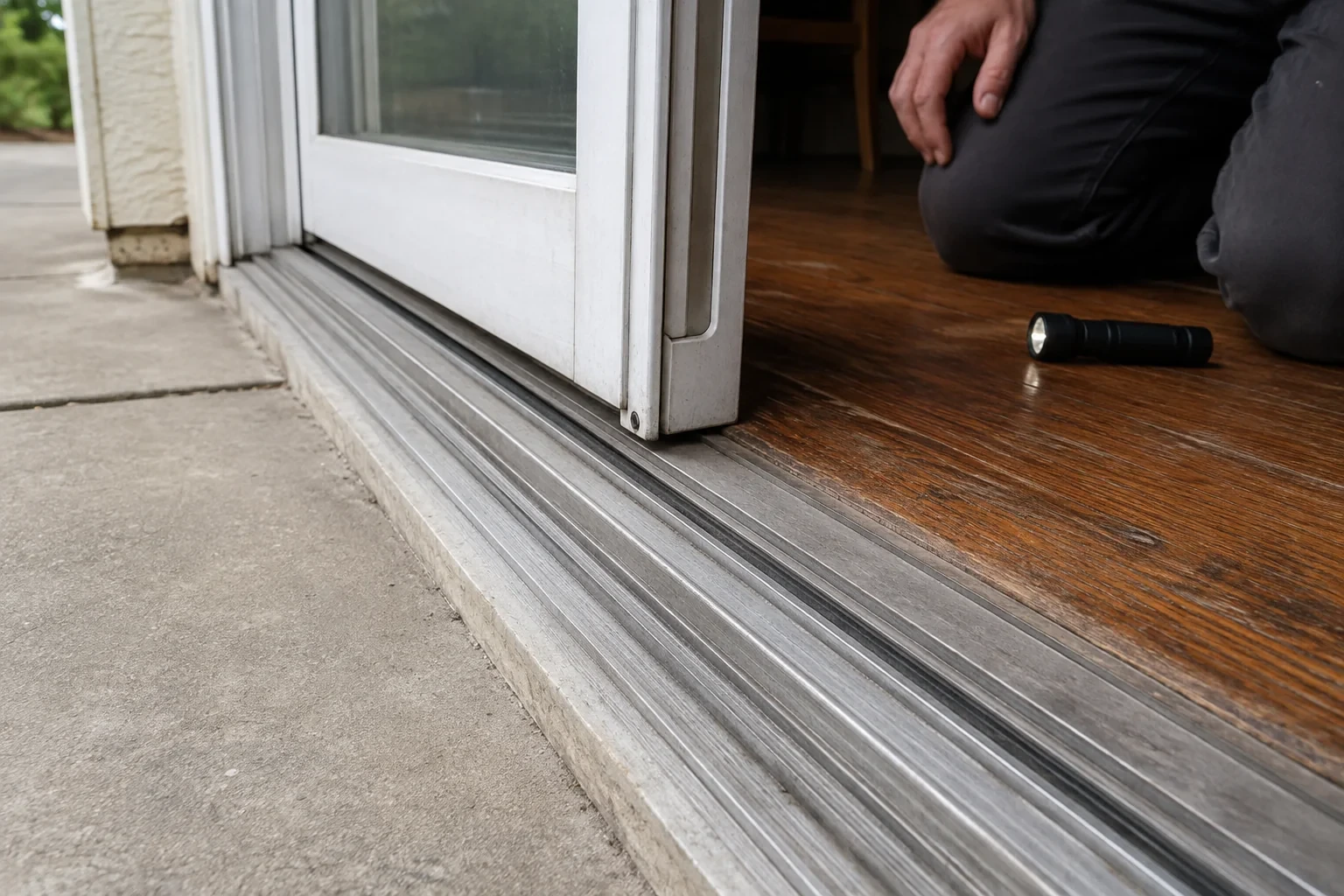
A sticking door
Start with the panel movement, track and rolling hardware.
Explore the service ↗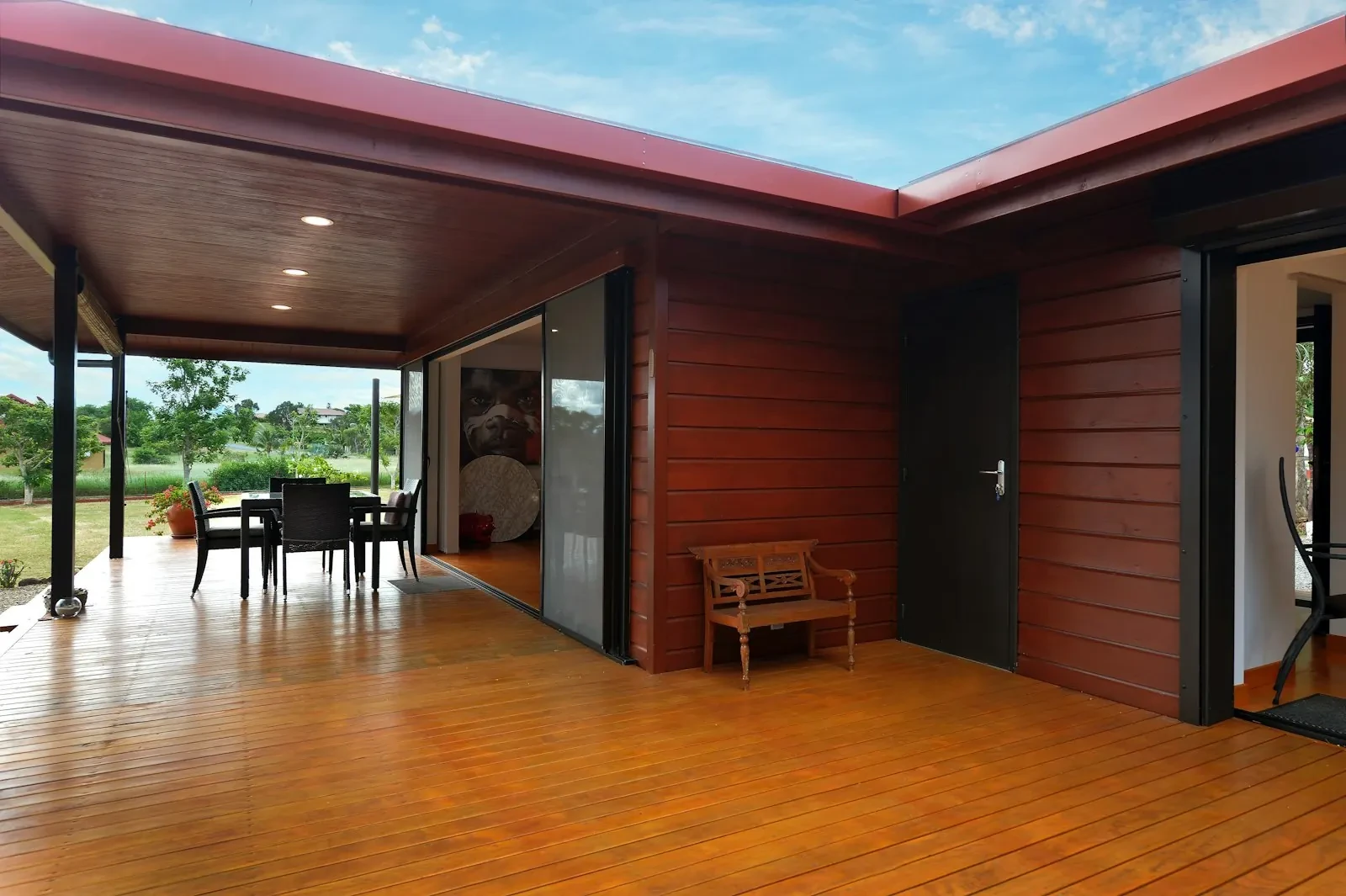
GilroyDoors & Windows
Compare window and door work through the opening you already have: its condition, the way it moves and the changes you want to make.
(669) 325-8094Doors & Windows
Start with the panel movement, track and rolling hardware.
Explore the service ↗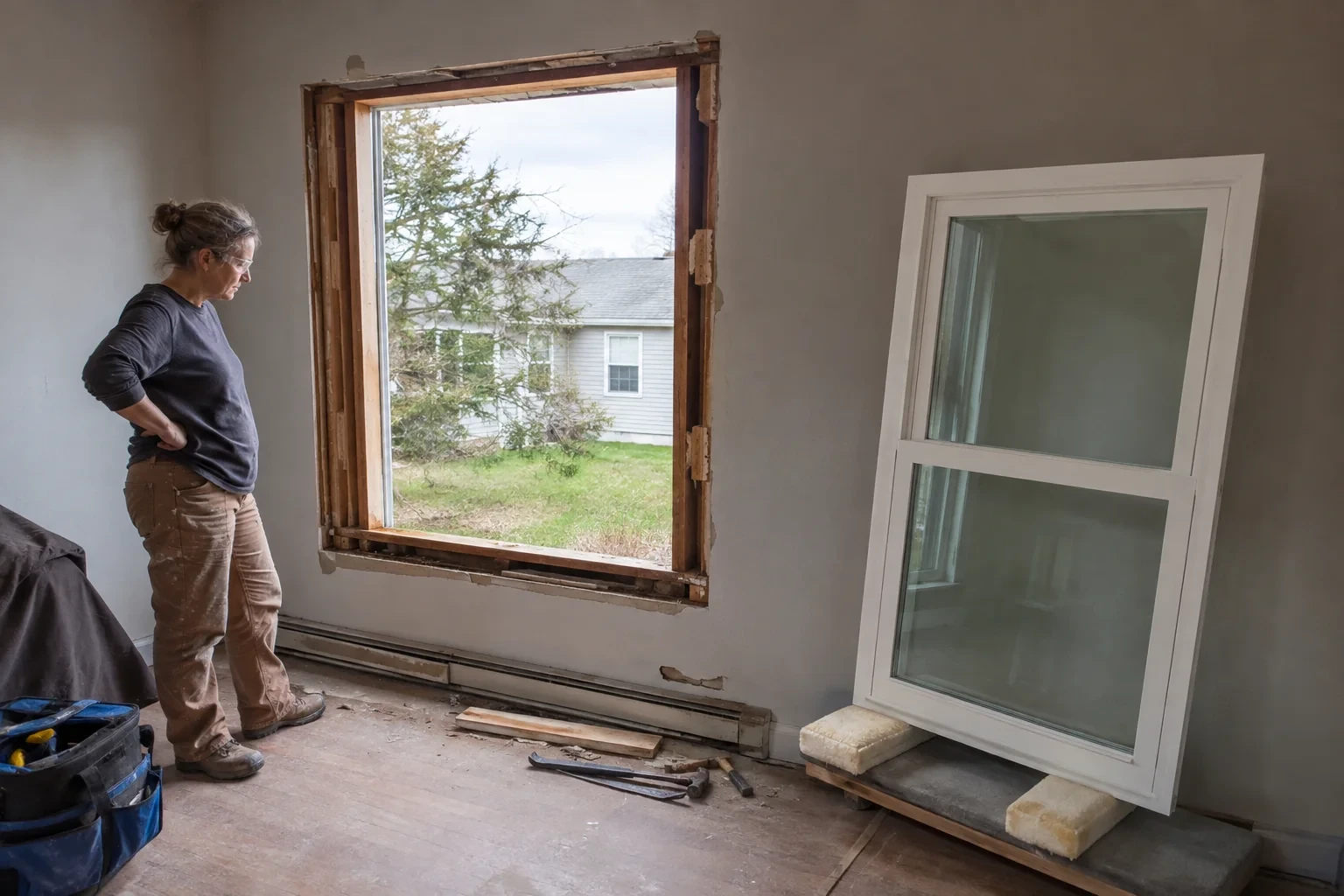
Doors & Windows
Compare retained frames, new units and finish restoration.
Explore the service ↗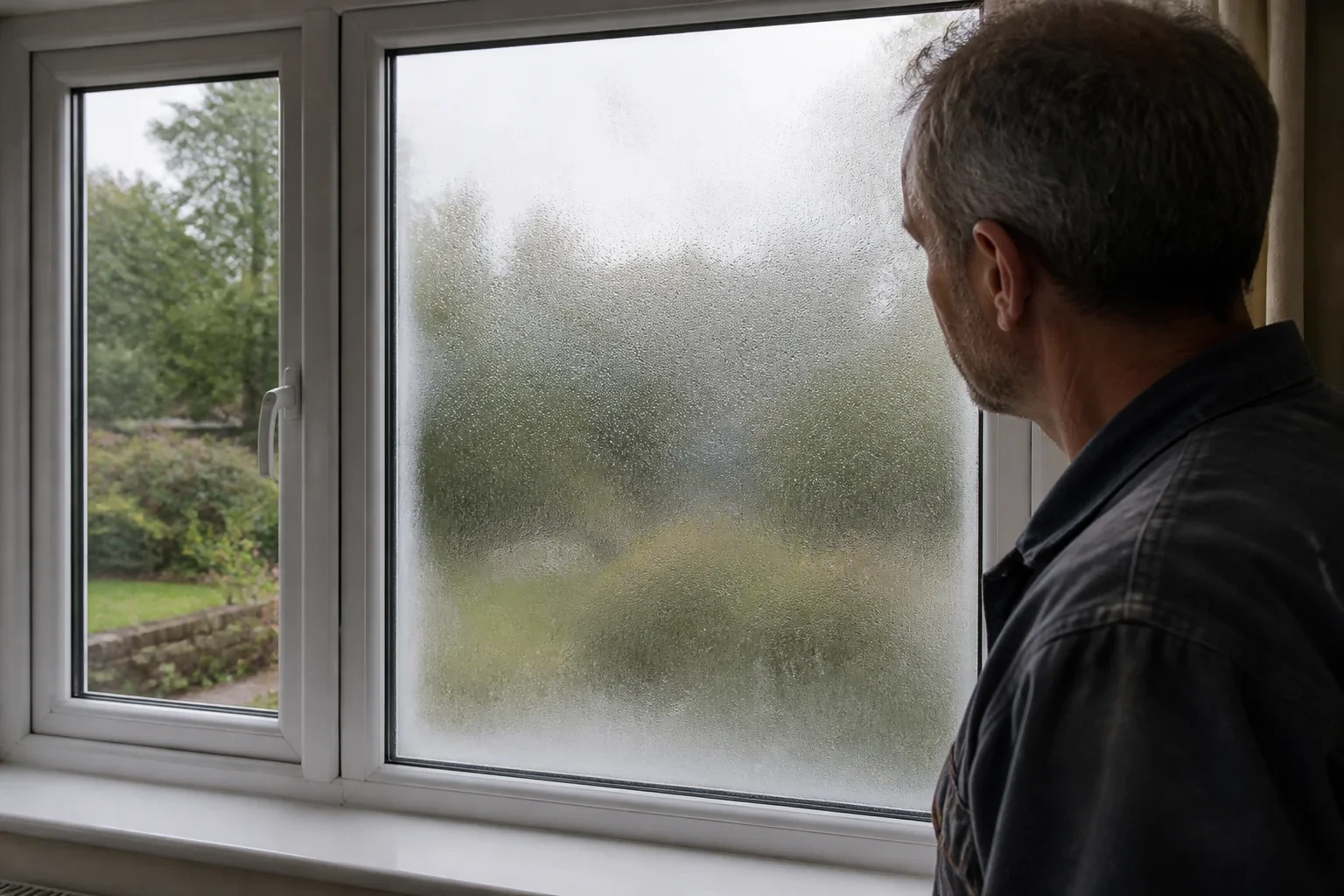
Doors & Windows
Identify the glass assembly before choosing replacement.
Explore the service ↗A closer look
Before the visit
Gilroy
Explore the services for your property and confirm your address when you call.
Gilroy states that a permit is required for projects such as new construction, additions, remodeling, repairs and extensions to electrical, mechanical and plumbing systems, and its published examples include window replacements, sliding doors, skylights, garage conversions, furnace and water heater replacements, and fireplaces and fireplace inserts. It asks anyone in doubt to call the building division. Confirm the address, the proposed scope and which permits apply with the City of Gilroy before work starts. This reference concerns the City of Gilroy; it does not establish requirements for a neighbouring jurisdiction or for an individual property.
Source for planning your work ↗The US Consumer Product Safety Commission’s window-fall guidance says never to depend on screens to keep children from falling out of windows, and suggests window guards, or window stops so that a window opens no more than 4 inches. It matters when you change how a window opens or replace hardware or screens. Raise it with the provider if young children use the room, and ask how any guard or stop interacts with escape and rescue openings. This is national safety guidance, not a compliance finding for your property.
Source for local context ↗Area-wide context is not a finding about your own property.
Before you decide
A sticking panel can involve rollers, track damage, alignment or worn seals. Ask which condition was observed and whether compatible parts are available. A sound frame may remain in place for a targeted repair; deterioration at the sill or frame can change that scope. Compare the actual findings before choosing a complete replacement.
Moisture between the panes is different from condensation on a room-facing surface. A proposal may replace the sealed glass unit while retaining a suitable sash and frame. Ask which component has failed, how the replacement glass is specified and whether the existing frame can support the work.
An insert retains a suitable existing frame and places a replacement unit within it. Full-frame work removes more of the assembly and exposes the opening for assessment. Compare retained materials, flashing work, trim restoration and the resulting clear opening rather than treating both proposals as the same job.
Compare the ratings for the complete product and its suitability for the local climate and project. U-factor and solar heat gain coefficient describe different aspects of performance. Ask which specified unit the label describes; a generic brochure does not establish the rating of the product being supplied.
Describe the opening, how it moves and what changed. Note whether a concern is with glass, the moving panel, hardware or the surrounding wall. If available, gather product labels, earlier invoices and photographs taken without dismantling the assembly. Explain access restrictions and keep people away from broken glass.
Ask which units and components are included, what remains in place, how access and removal are handled, and who restores affected finishes. Confirm product specifications, disposal, weatherproofing and completion checks. Any concealed damage discovered during the work needs an explained change to the agreed scope.
Tell us what needs work and we will call you back.